Lockout/Tagout (LOTO) Procedures in Electrical Safety: Safety comes first; this is fundamental in electrical maintenance. One of the most important measures concerning ensuring safety to the workers is LOTO or the Lockout/Tagout procedure, a safety procedure designed to avoid the unexpected release of energy. Here are some questions that are frequently asked about LOTO for electrical circuits and equipment.
1. All Electrical Circuits Must Be Locked-Out/Tagged-Out Before Electricians Work on Any Equipment. True or False?
Answer: True. All the works that are related to electrical circuits and equipment need preliminary performance of Lockout/Tagout. This is such a significant safety activity that for sure the circuit is out of energy, electrical shock, burns, and other accidents, which probably could have happened due to accidental energizing, are avoided. Without LOTO, an electric gear can go alive anytime, which puts the lives of electricians and maintenance personnel in danger.
2. Why Do Circuits That Are Locked Out Also Need To Be Tagged?
A no-tag lockout may fail to advise other personnel why the equipment is out of service or that maintenance is being done on it. Tags convey important messages to inform people that the equipment shall not be re-energized and that personnel is working on it. The added measure goes the extra length to make the workplace safe and ensures communication among colleagues for the prevention of such accidental energizing and resulting in injuries.
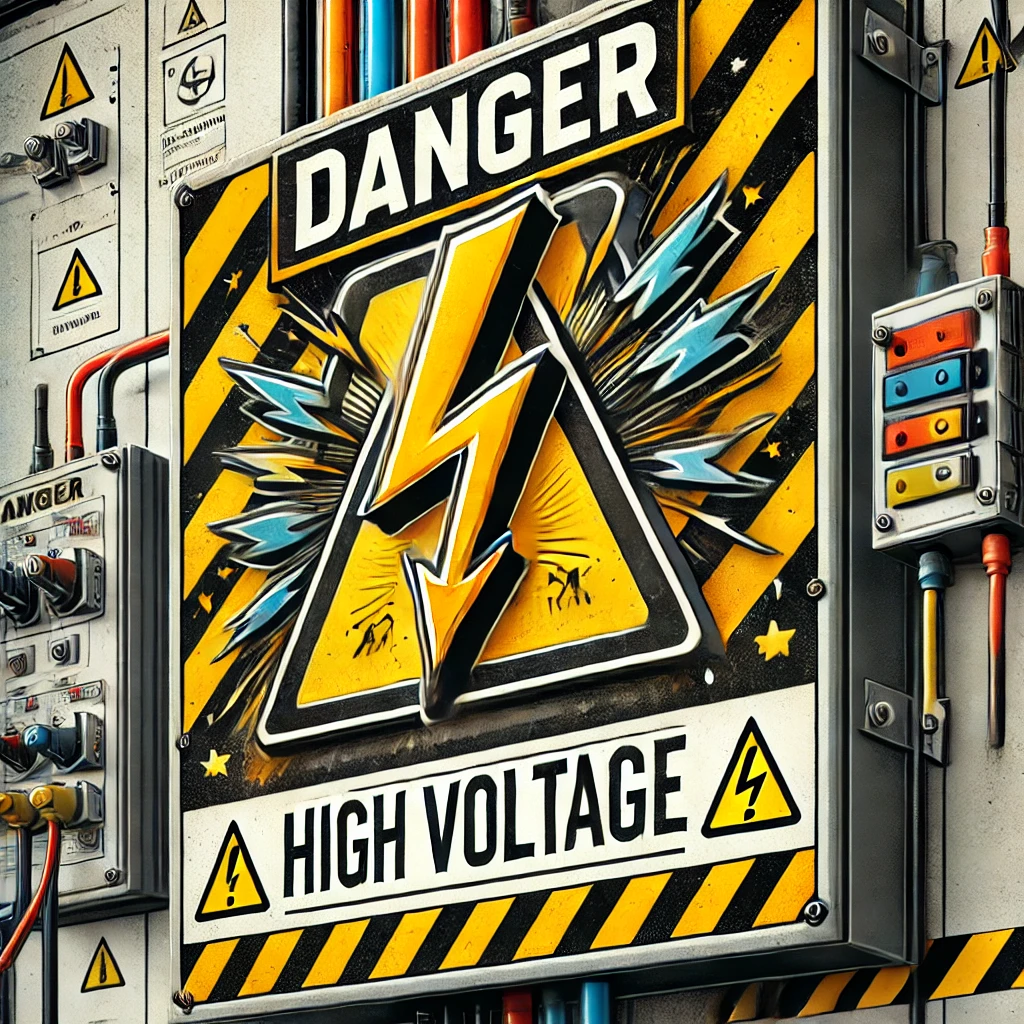
3. What is Lockout/Tagout in Regards to Electrical Equipment?
Lockout/Tagout (LOTO) is a safety procedure used across industries, including electrical work, to ensure that equipment is properly shut off and remains off during maintenance or repair activities. For electrical equipment, the LOTO procedure involves de-energizing the equipment, applying a lock to prevent it from being turned on, and attaching a tag to inform others that the equipment is under maintenance.
Key steps of electrical LOTO typically include:
- Turning the circuit off at the breaker or disconnect switch
- Applying a lock to secure the circuit has been energized
- Putting a tag indicating that maintenance work is in progress
4. Electrical Equipment Work-Which Part Must Be Tagged and Locked Out?
Typically, tagging and lockout will involve the power source or disconnect switch for the equipment being worked on. For instance, if an electrician is going to work on a particular machine, therefore, he or she will isolate and lock the power source feeding electricity to this machine. The equipment cannot receive power and unexpectedly startup and harm anyone.
5. When Dealing with Electric Circuits Never…
- Skip LOTO Procedures: One of the most dangerous mistakes anyone can make when working with electrical circuits is skipping lockout/tagout procedures.
- Assume a Circuit is Off Without Verification: The system or circuit should always be tested to positively identify de-energization after the equipment has been locked out and tagged.
- Ignoring Safety Equipment: Wearing proper personal protective equipment is very important to ensure safety against electrical shock and arc flash incidents.
Safety in the workplace, and most especially within the electrical industry, starts with appropriate Procedures in concerning Lockout/Tagout. Knowledge of the importance of the need to lock out/tag circuits is liable to prevent serious injury or even save lives. Always follow these Lockout/Tagout (LOTO) procedures in electrical safety to protect everyone around you.

Privacy Policy for HSE Docs

Disclaimer
Contact Us
Managed by the LinkedIn HSE Professionals Page, this platform supports safety officers, auditors, and managers worldwide. With a network of 340,000+ professionals, we deliver expertly crafted HSE templates, checklists, and tools to help organizations meet OSHA, ISO, and GCC safety standards.